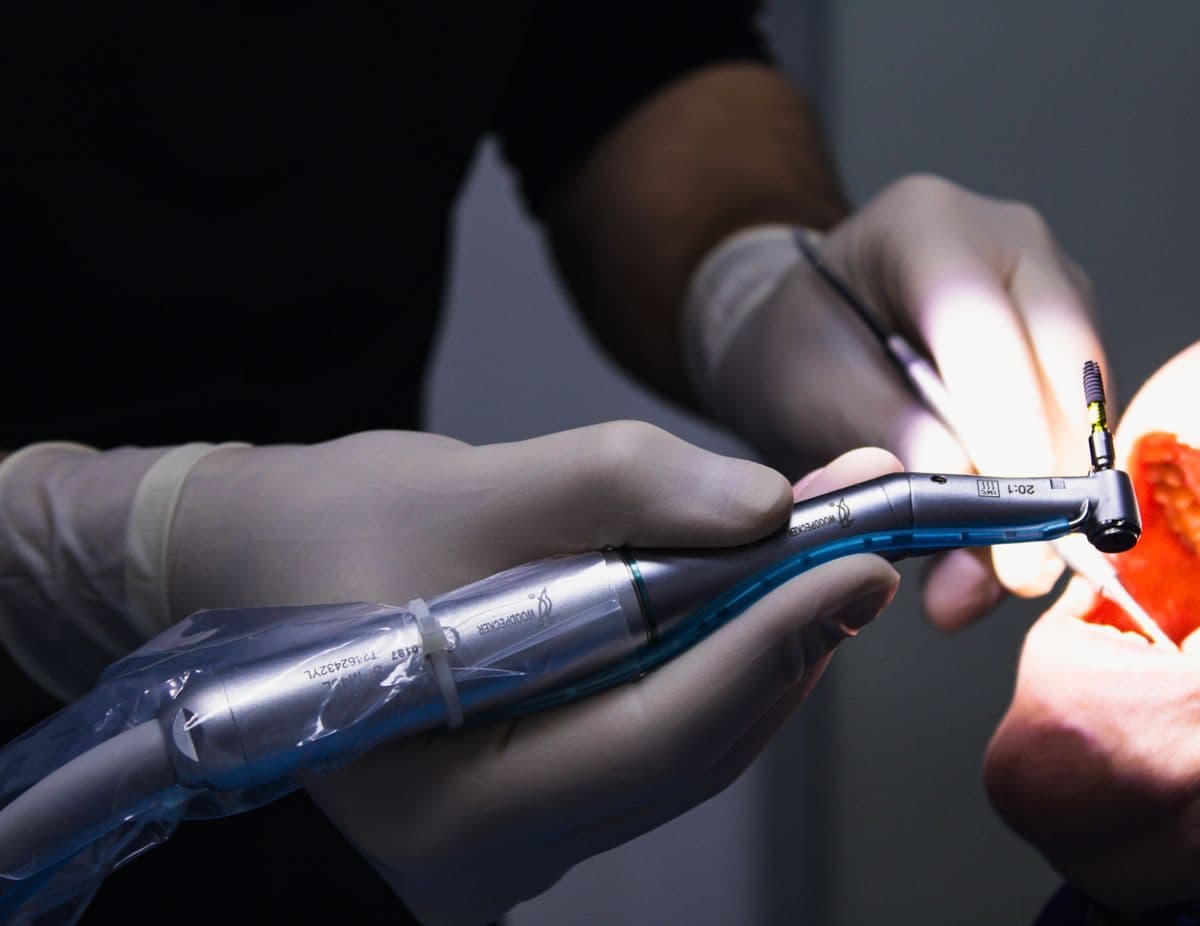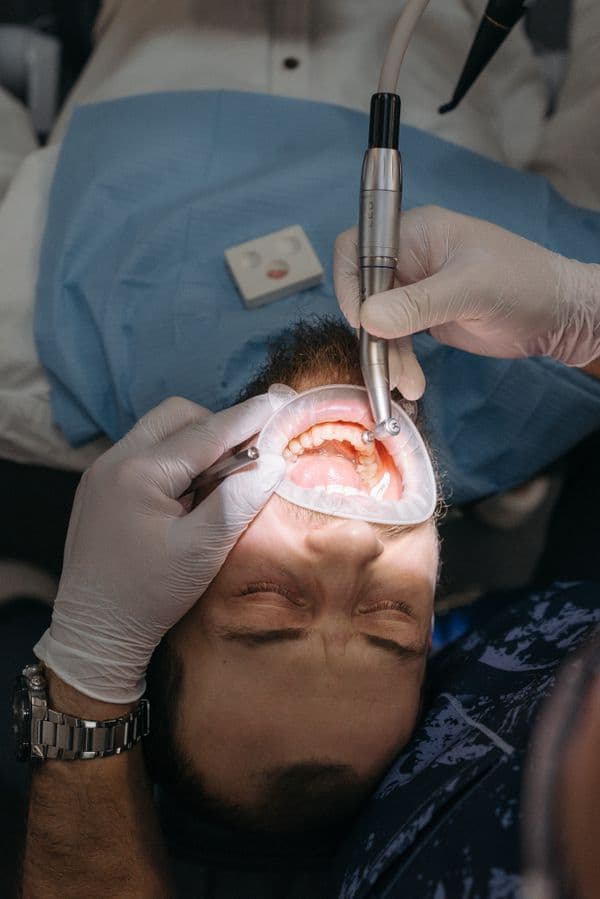
A filling removes decay and rebuilds the tooth before the damage reaches the nerve. We use tooth-coloured composite resin that blends seamlessly with your natural teeth — quick, comfortable, and usually completed in a single visit.
Signs You May Need a Filling
- ✓Toothache, or a dull ache that lingers after eating
- ✓Sensitivity to hot, cold or sweet foods
- ✓A visible hole, chip or dark spot on the tooth
- ✓Food consistently getting stuck between the same teeth
- ✓A rough or sharp edge you can feel with your tongue
- ✓An old filling that has cracked, worn down or fallen out
- ✓No symptoms at all — early decay is often painless and only shows up on a check-up or X-ray
Filling Materials
Fillings have traditionally come in two materials. We place tooth-coloured composite, and glass ionomer where it's the better choice — never amalgam.
| Amalgam (silver) | Composite (tooth-coloured) | |
|---|---|---|
| Material | Metal alloy of silver, tin, copper and mercury | Resin with fine glass particles |
| Appearance | Silver-grey, clearly visible | Matched to your natural tooth shade |
| How it holds | Wedged into the tooth mechanically — it doesn't bond | Bonds chemically to the tooth, sealing it |
| Tooth removal | More healthy tooth removed to lock it in place | Minimal — only the decay comes out |
| Sensitivity | Metal conducts hot and cold, so temporary sensitivity is common | Less likely to cause sensitivity |
| Where it's used | Mostly back teeth | Front and back teeth |
| Contains mercury | Yes | No |
Amalgam has been used for over a century and is hard-wearing, but it's dark, more of the healthy tooth has to be drilled away to hold it in place, and it contains mercury — which is why dentistry worldwide is moving away from it under an international agreement to phase down mercury use.
The bigger clinical difference is the seal. Amalgam sits in the tooth without bonding to it, so over the years gaps can open at the edges and let decay creep back underneath. Composite bonds tightly to the tooth structure for a stronger seal — and modern materials are more than strong enough for back teeth.
Glass ionomer is the third material we use. It bonds chemically to the tooth and slowly releases fluoride, which helps protect the tooth around it. It's less hard-wearing than composite, so we use it where those properties matter more than strength — baby teeth, decay at the gumline, and places that are difficult to keep completely dry while the filling sets.
Common Questions
How long do fillings last?
Composite fillings typically last 7–10 years. Proper brushing, flossing, and avoiding hard foods extend their lifespan.
Should I replace my old silver fillings?
Not necessarily. If an amalgam filling is sound and not causing problems, it can usually stay. We'd suggest replacing it if it's cracked, leaking, decayed underneath, or if you'd prefer a tooth-coloured result.
What if the decay is very close to the nerve?
We place a protective liner over the area first to protect the nerve and encourage healing before finishing the filling.
Will it hurt?
The area is numbed first, so you shouldn't feel the procedure itself. Mild sensitivity for a few days afterwards is normal and settles on its own.
What to Expect
Consultation
Our dentist will assess your condition and explain the procedure in detail.
Preparation
We'll ensure you're comfortable before we begin, including local anaesthetic if needed.
Treatment
The procedure is carried out with care and precision.
Aftercare
We'll give you clear aftercare instructions and schedule follow-up if required.
Book Your Tooth Filling
Message us on WhatsApp — we'll confirm your slot right away.
Book via WhatsApp